
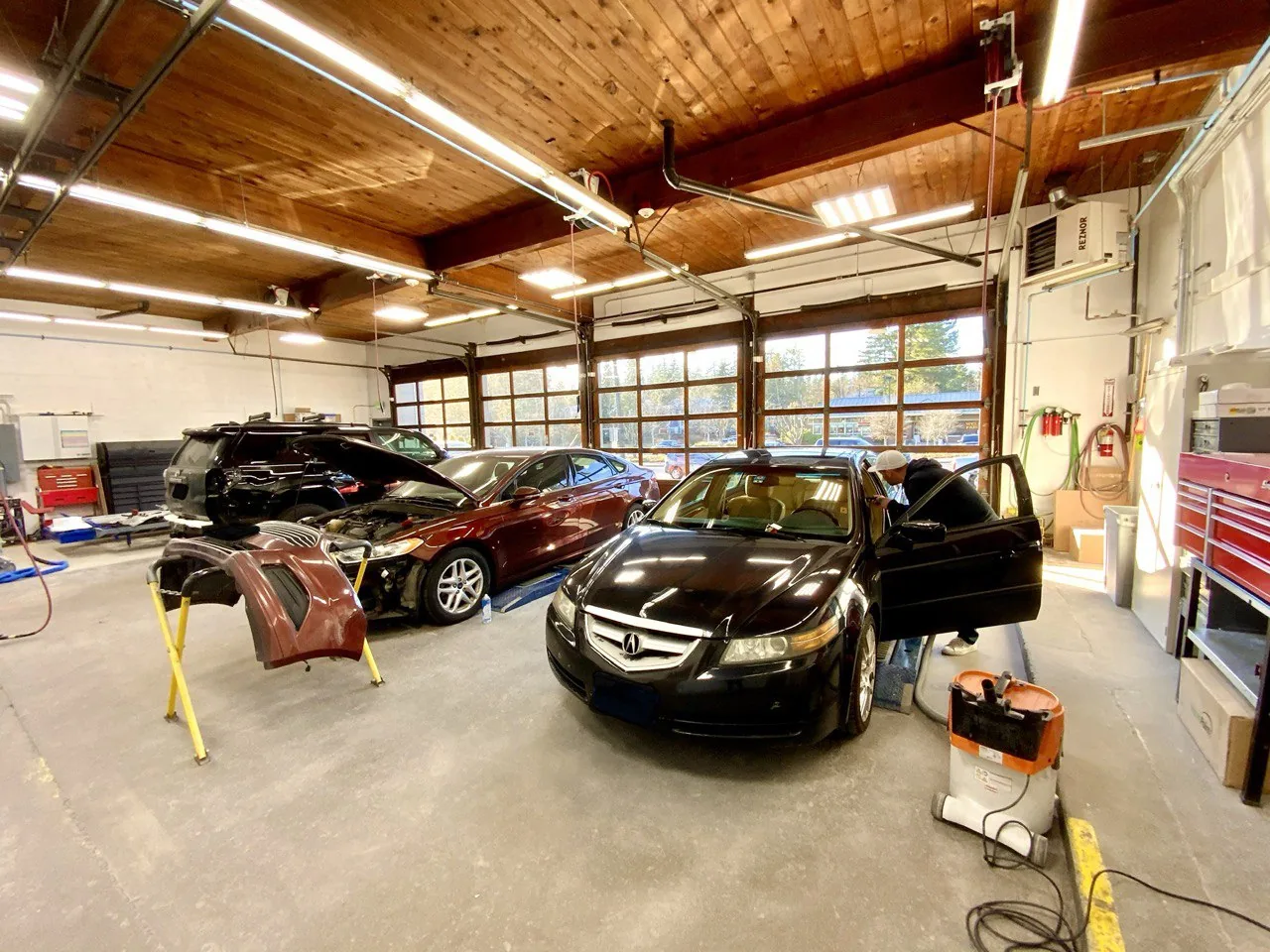
Establish the extent of the damage
After a hail event, you may notice the hood first and discover roof or upper panel dents later. Tell us when the damage occurred and identify any chips, cracked finish or other changes you have seen.
An assessment considers the affected panels and the character of the dents, rather than simply counting the most visible marks. Existing dings or earlier repairs should also be identified so the proposed work addresses the intended damage.
Consider the method panel by panel
Hail dents differ in depth, sharpness and position across the vehicle. We assess each panel's condition and repair requirements, including the work needed around edges, reinforcements and nearby components, before proposing body repair or panel replacement.
A panel with damaged paint or more severe deformation may need conventional repair and refinishing, or an assessment of replacement. We discuss why different approaches may be proposed and which parts need removal to access the damaged areas.
Keep the estimate discussion clear
Bring any existing estimate or claim information if you are using insurance. Those documents help with the conversation, but the repair plan still depends on the vehicle assessment; coverage and claim decisions belong with your insurer.
Ask which panels are included, what finish work is proposed and what remains uncertain before disassembly. If you also noticed damaged trim or glass, point it out early so we can discuss how it relates to the overall work.
QUESTIONS ABOUT
HAIL DAMAGE REPAIRS.
What work can a hail repair estimate include?
Depending on the damage, the estimate may include body repair, panel replacement, refinishing and removal of trim or other parts for access. The shop explains the proposed work after assessing the vehicle.
What should I bring for a hail repair estimate?
Bring the vehicle and any estimate or claim details you already have. Point out all noticed damage and let us know about previous paint or body repairs in affected areas.