
Identify the problem beneath the appearance
Scuffed clear finish, missing color, peeling paint and a gouged panel are different conditions. Show us the area that concerns you and explain whether it followed an impact, appeared gradually or developed around an earlier repair.
The assessment includes the surrounding finish and any signs of damage underneath. A mark on top of the finish may need a different response from exposed material, corrosion or paint that is no longer adhering to the surface.
Set the repair and refinishing boundaries
If the panel itself is dented, split or otherwise damaged, the plan must address that condition first. Depending on the findings, that can mean body repair or replacement followed by paint work rather than paint correction alone.
The visible damaged spot does not always define the final paint boundary. Ask which panels or adjacent areas are included, what preparation is required and whether the estimate addresses only the current damage or additional finish concerns.
Connect the damage assessment to the process
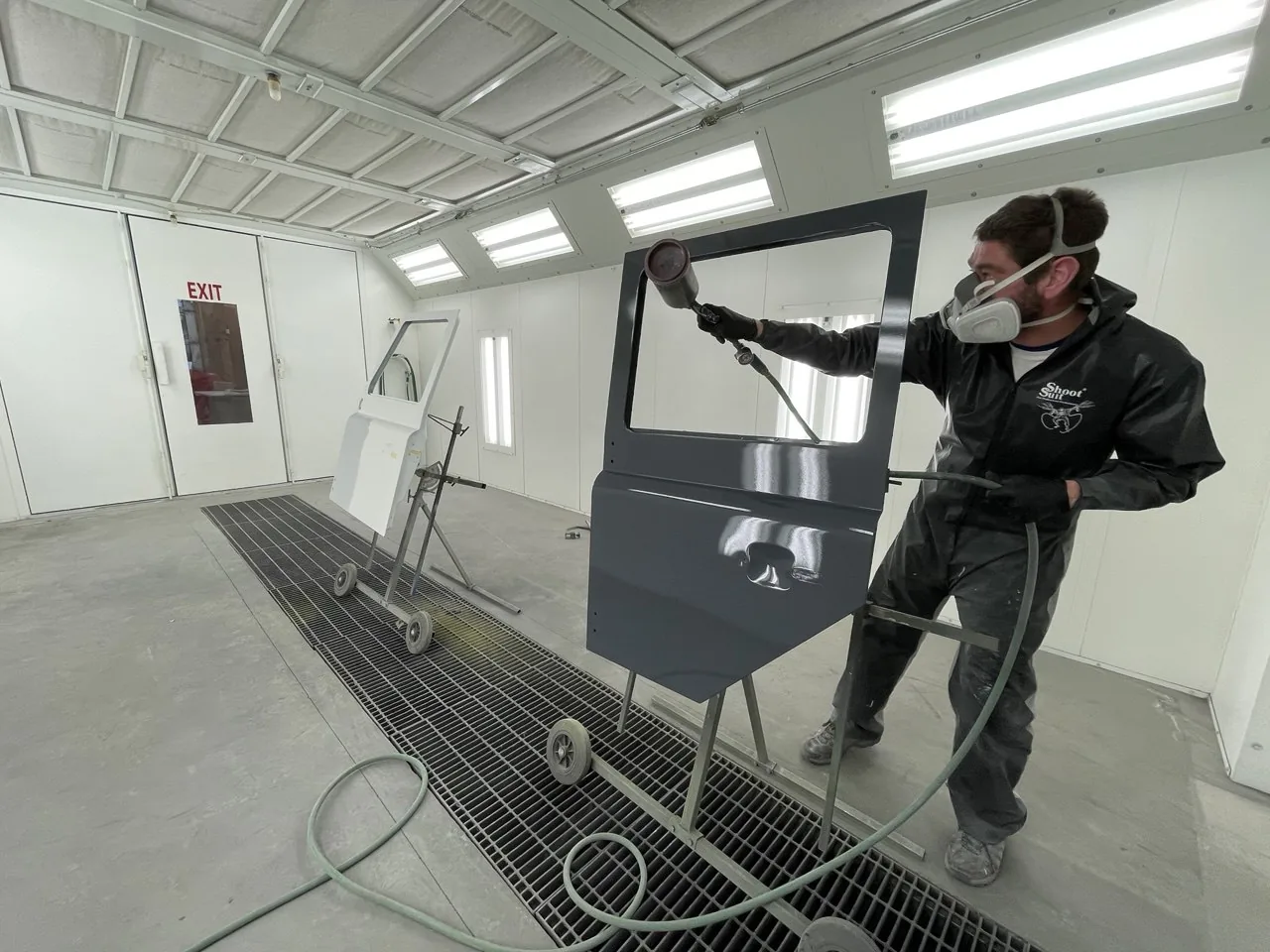
For an overview of preparation, color work and finishing, read our auto paint and refinishing guide. This page focuses on choosing a repair scope for actual damage; the guide explains the steps involved once that scope is established.
Mention any prior repainting, touch-up work or finish products used on the affected area. That history can help explain what we see and identify questions to resolve before the shop recommends a specific paint repair.
QUESTIONS ABOUT
PAINT REPAIRS.
Does a paint repair mean repainting the whole vehicle?
No. The scope depends on the damage and existing finish. We explain which areas need work, including any adjacent refinishing proposed for the particular repair, before you approve that scope.
Can new paint fix a damaged panel by itself?
Paint does not resolve a dent, crack or underlying corrosion. Those conditions need assessment and an appropriate repair plan before the finishing work can be decided for your vehicle.